Clean beauty isn’t about more products—it’s about better decisions. Here’s how to make them.
Today’s beauty landscape is more sophisticated than ever. Formulations are more advanced. Branding is more elevated. Claims are more carefully worded.
Minimal packaging. Thoughtful language. Ingredient lists that signal intention. Words like non-toxic, plant-based, dermatologist-tested placed exactly where you expect them to be.
And yet, for all that progress, it’s become significantly harder to answer a simple question:
Is this actually clean?
The problem isn’t a lack of options—it’s a lack of clarity
Clean beauty used to feel relatively straightforward. You avoided the obvious toxins, upgraded a few staples, and felt confident you were making better choices for your skin and your health. It wasn’t perfect, but it was clear enough to navigate without overthinking every purchase.
But somewhere along the way, it got complicated.
Because “clean” isn’t a regulated term. It never has been.
Which means brands are free to define it in ways that work for them—sometimes thoughtfully, sometimes strategically, and sometimes just enough to meet expectations without fully delivering on them.
The result is a category that feels polished on the surface, but increasingly difficult to interpret beneath it.
And that’s where the problem begins.
Even Smart Consumers Get Tripped Up
This isn’t about being uninformed.
Most women reading this already know to question parabens, to be cautious with synthetic fragrance, to look beyond the front label. You’ve likely made the shift away from conventional products at some point.
But the real complexity now lives in :
- ingredient lists that are technically compliant but not necessarily optimal
- formulations that combine “clean” and questionable components in ways that are hard to assess
- brands that prioritize marketing language over full transparency
Many Conventional Skincare Products Still Rely on Ingredients That Raise Real Concerns.
Behind the marketing there are still ingredients widely used across both conventional and “clean-leaning” products that deserve a closer look. A whole world of hormone disruptors, synthetic fragrances and preservatives linked to long-term health risks.
We’re talking about:
- Ingredients that can interfere with your endocrine system
- Compounds that accumulate in the body over time
- Formulations designed for shelf life—not skin health
What’s Hiding in Your Skincare and Beauty Products?
Studies show that many mainstream beauty products contain hormone disruptors, synthetic chemicals, and allergens that can negatively impact both skin and long-term health.
From parabens and phthalates to synthetic fragrances, discover the top offenders and why cutting them out can transform your skin and overall health.
2021 study published in Environmental Health Perspectives,
Endocrine-disrupting chemicals (EDCs) found in products like moisturizers and makeup can mimic or interfere with your body’s hormones, leading to imbalances that may impact fertility, metabolism, and long-term health.
For example:
- Parabens, commonly used as preservatives in personal care products. These chemicals react in the body, mimic estrogen, and disrupt hormone function. While often replaced due to consumer pressure, are still part of the broader conversation around hormone disruption
- Phthalates, remain one of the least transparent areas in beauty formulation. Often added to cosmetics to help fragrances last longer, you’ll find them in perfumes, lotions, and deodorants, they are considered a highly toxic class of ingredients by the Council on Cosmetic Products
- Formaldehyde-releasing preservatives – Certain cosmetic ingredients slowly release formaldehyde, a human carcinogen identified by the International Agency for Research on Cancer. Yet they can still appear in products positioned as safe or gentle
- Heavy metals, such as lead, cadmium, and mercury, can be present in trace amounts, particularly in color cosmetics like lipsticks, foundations, and eyeshadows.
Surface-level claims aren’t enough to make truly informed decisions anymore.
There’s No Universal Definition of “Clean Beauty”, so Brands Create Their Own.
Which means:
- “Natural” doesn’t always mean safe
- “Non-toxic” isn’t regulated
- “Fragrance-free” doesn’t always mean chemical-free
You’re expected to decode all of this… standing in a store… in under 30 seconds. That’s not empowerment. That’s overwhelm.
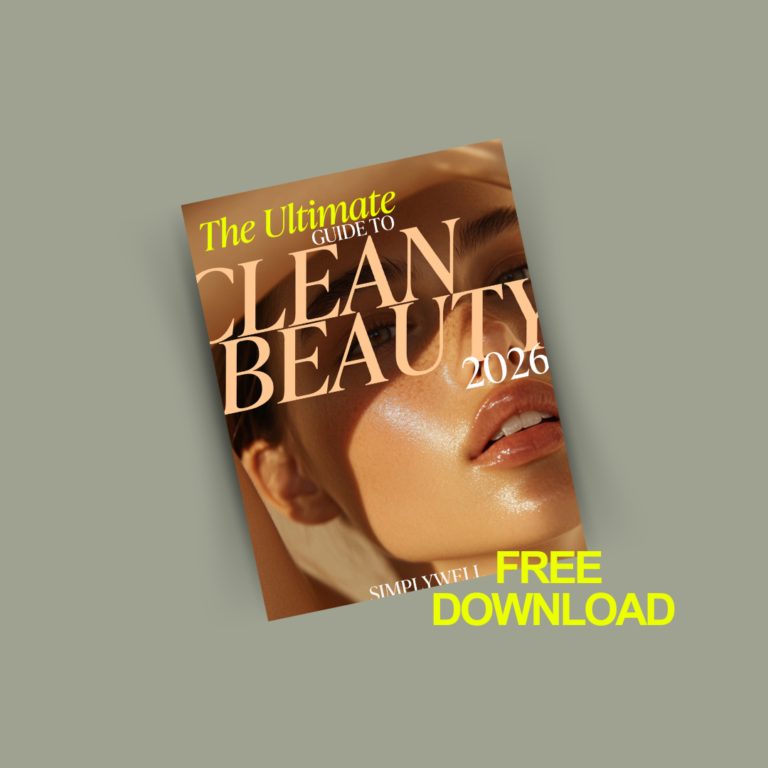
If You’ve Felt This, You’re Exactly Who We Created The Ultimate Guide to Clean Beauty 2026, for.
Your complete toolkit for smarter, more confident skincare decisions.
Inside, you’ll find:
- A clear, intelligent way to decode ingredient lists without overcomplicating it
- The ingredients that actually matter—and how to recognize them quickly
- The connection between skincare choices and hormone health, explained simply
- A practical, step-by-step approach to refining your routine without wasting money
👉 Download the guide and start making decisions you can trust
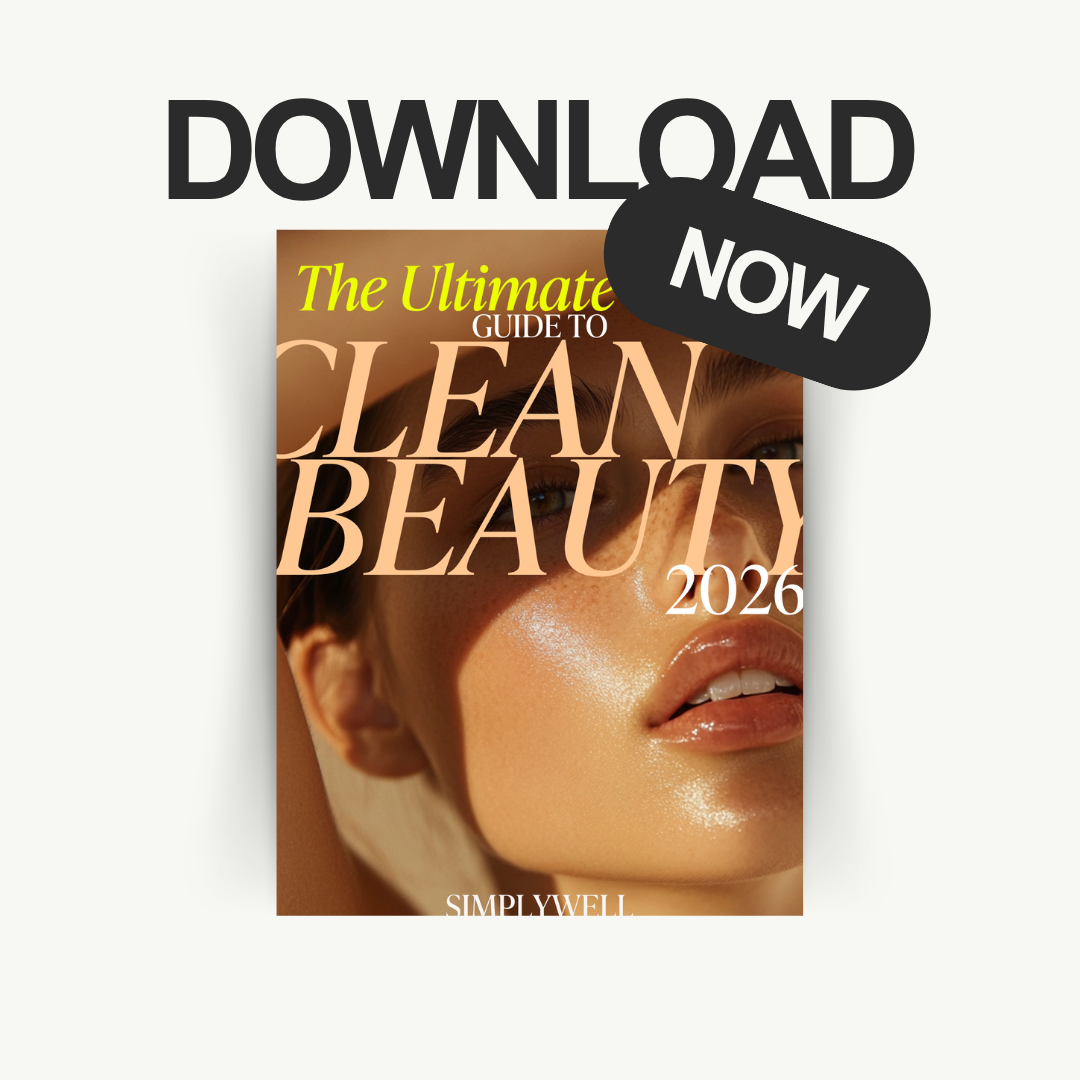
free download
The Ultimate Guide to Clean Beauty 2026
Your toolkit for smarter, healthier skincare choices